
Shilajit in Ayurveda: A Timeless Elixir
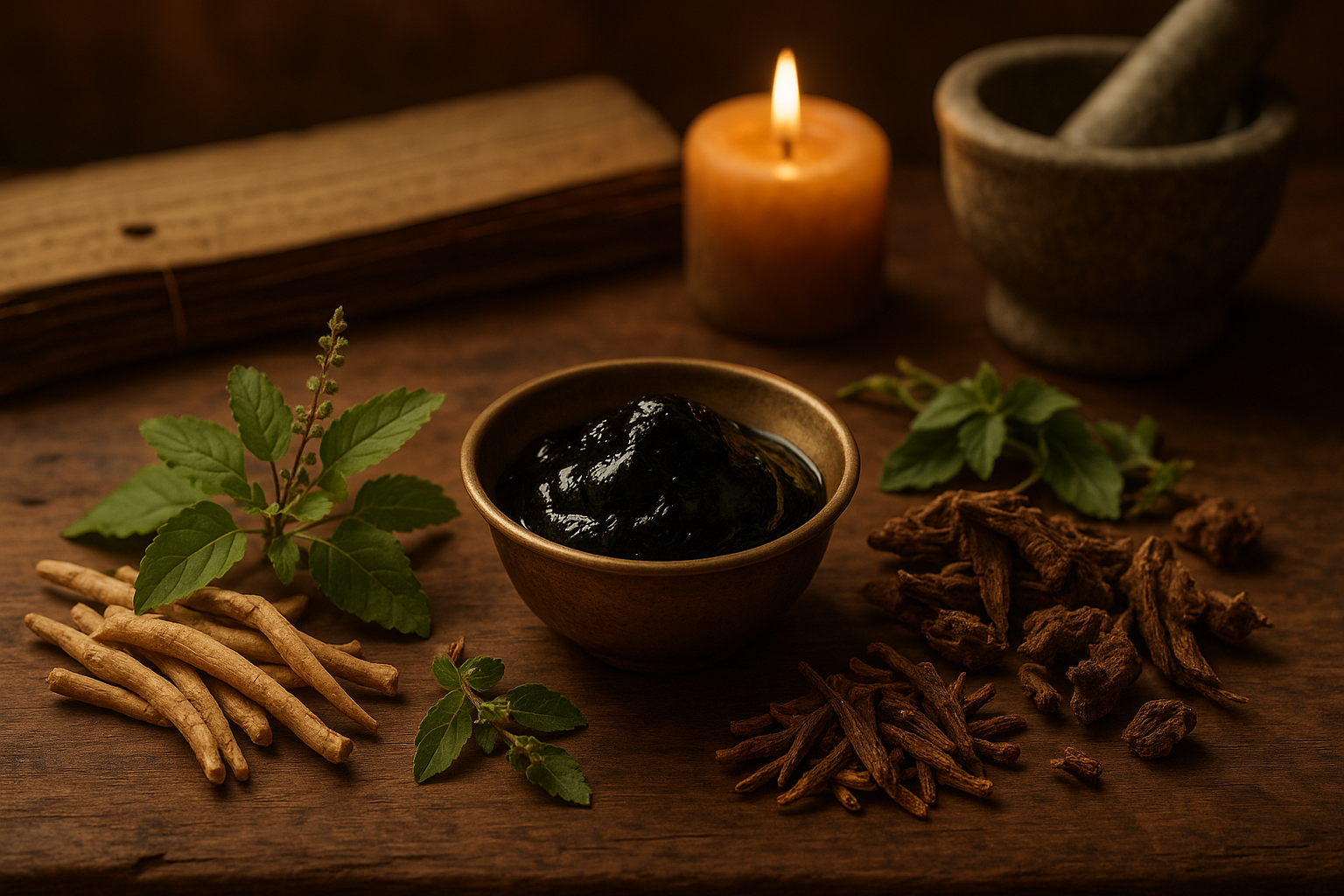
For thousands of years, Himalayan Shilajit has held a prized place in Ayurveda, the traditional Indian system of medicine. Known in ancient Sanskrit texts as "Shilajatu," which translates to "conqueror of mountains and destroyer of weakness," its reputation as a powerful healer is deeply rooted in history.
Shilajit as a 'Rasayana' (Rejuvenator)
In Ayurveda, Shilajit is classified as a Rasayana. Rasayanas are substances known for their rejuvenating and anti-aging properties. They are believed to enhance the quality of life, promote longevity, and increase the body's resistance to disease. Shilajit is considered one of the most potent Rasayanas due to its ability to nourish all the dhatus (body tissues).
- Balances All Three Doshas: Ayurvedic philosophy is based on balancing three fundamental energies, or doshas: Vata, Pitta, and Kapha. Shilajit is unique in that it is considered tridoshic, meaning it pacifies all three doshas, making it suitable for a wide range of constitutions.
- 'Yogavahi' - The Synergistic Carrier: Shilajit is also known as a Yogavahi, which means it acts as a synergistic carrier. Its high fulvic acid content enhances the absorption and efficacy of other herbs and nutrients, carrying their properties deep into the tissues. This is why it is often combined with other Ayurvedic herbs.
Traditional Uses in Ayurvedic Practice
Ayurvedic practitioners have used pure shilajit resin for centuries to treat a vast array of conditions, including: * General weakness and fatigue * Digestive issues * Anemia * Low libido and fertility issues * Cognitive decline * Immune system support
The traditional method of consuming it, by dissolving the shilajit resin in warm milk or water, is still considered the most effective way to unlock the full benefits of shilajit. This ancient wisdom aligns with modern understanding of bioavailability, showcasing the profound knowledge of Ayurvedic masters.